Start with cleansing
Explore a rinse-off concept that removes excess sebum and impurities while keeping skin comfort central. The folder presents cleansing separately from daily cream care.
 Alpin Heilmoor Extract™by Premium Organic
For formulation & product teams · Blemish-prone Skin
You are developing care for people whose skin feels oily, congested and easily irritated. AHE offers a starting point for combining cleansing, skin comfort and a more balanced-looking complexion.
Discuss your formulation ↗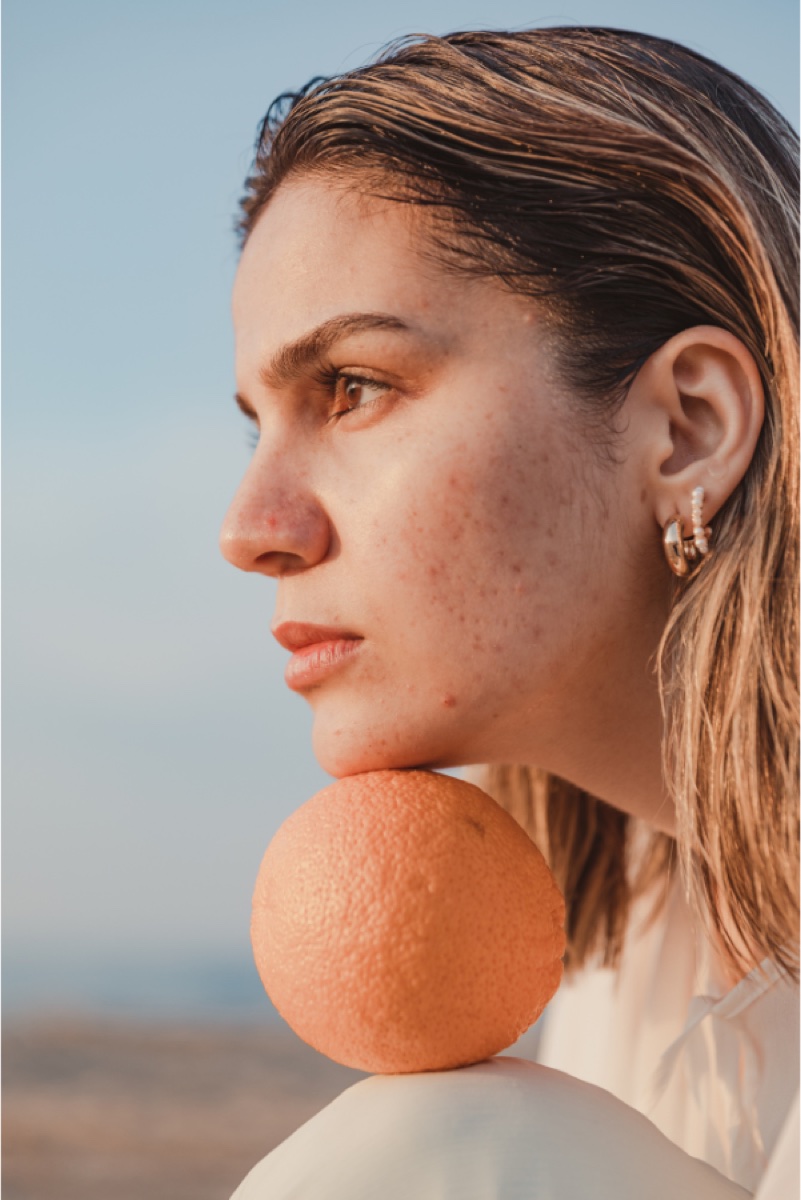
Explore a rinse-off concept that removes excess sebum and impurities while keeping skin comfort central. The folder presents cleansing separately from daily cream care.
A leave-on cream addresses the longer care routine. Its 28-day results concern the complete cream, not the cleanser or AHE alone.
Excess sebum, follicular keratinisation and inflammatory responses interact. The folder connects these factors with research on barrier proteins, microbial responses and inflammatory markers.
Keratin and cell-adhesion markers connect barrier organisation with the skin’s microbial environment.
K10 · E-cadherin-related markers · Microbiome diversityK16-related research addresses follicular keratinisation, one part of the blemish-prone skin picture.
K16 · Keratinisation · Follicular blockage questionMicrobial and cytokine models explore responses associated with C. acnes and inflammation.
C. acnes · S. aureus · TNF-α · IL-1β · IL-6 · IL-8 · ROSComfort-related research complements cleansing and leave-on care as distinct product concepts.
Comfort response · Repair context · Finished-product toleranceLaboratory pathways explain the research rationale; finished-product performance is evaluated separately.
Results concern the tested finished products, not AHE alone or a new formulation.
For daily cleansing of blemish-prone skin: the folder reports these changes after a 1.5% AHE gel, used twice daily. A rinse-off result, separate from the 28-day cream result.

Sebum: descriptive mean change (n = 18, p = 0.21; not statistically significant).
Before
After 21 days
Before
After 21 days
Illustrative photographs from the folder; individual results.
PREMIUM ORGANIC · AHE ACNE 2024 · PDF 10–11
95% felt their skin was clean and comfortable after cleansing; 90% reported firmer-looking skin.
21 days · 1.5% AHE · 20 participants · positive ratings: 4 + 5 · VV_ET-13/20DXT2-B_450_21_001, PDF 50–52
Positive responses · 0–100%
The same cleansing assessment appears in the Acne and Sensitive folders. It belongs to the 21-day use test, separately from the short-term calming test.
A separate forearm model tests rinsing away fine carbon particles. It informs a cleansing concept, not an acne-treatment claim.
Before
After cleansing
Before
After cleansing
Illustrative photographs from the folder; individual results.
PREMIUM ORGANIC · AHE ACNE 2024 · PDF 9
28 days · n = 21
Before/after comparison without an untreated control group.
Before
After 28 days
Before
After 28 days
Illustrative photographs from the folder; individual results.
Photo examples after 28 days of cream use. The primary report does not state an AHE concentration.
Dermscan
21 participants · day 28 versus baseline · Dermscan. These complement the −46% papule result shown above; the primary report does not state the AHE concentration.
28 days · n = 21 · mean ± SEM: −0.6 ± 0.3 pustules. p = 0.0907: not statistically significant at 5%. The brochure reports −42%; that percentage is not presented here as confirmed efficacy evidence.
Dermscan
87% found the cream easy to use; 86% felt it was not greasy.
28 days · 22 questionnaires · agree + agree somewhat, rounded report values · Dermscan. Instrumental results concern 21 participants.
Positive responses · 0–100%
Begin with a cleansing gel or a daily cream. Compare AHE level, surfactant or emulsion system, colour and after-feel in the actual base. The 2.5% cleansing guide and the separate 1.5% cleansing study are different formulations.
Closest public finished-formula research context.
Build next-batch briefPlan foam, colour release and rinse profile together.
Build next-batch briefUse the dark material expression as an intentional brand code.
Build next-batch briefRequires especially disciplined cosmetic wording and finished-product validation.
Build next-batch briefTell us about your format, base and the care experience you want to create. We will help select the relevant reference and your next formulation test.